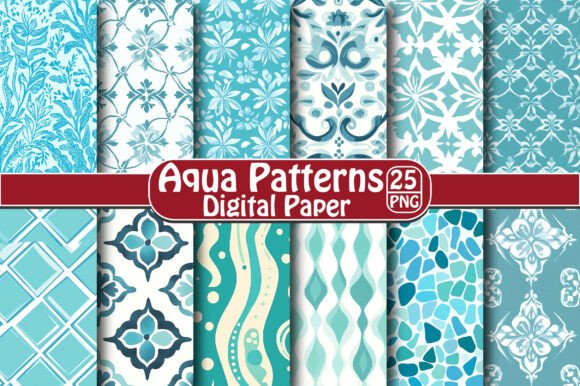
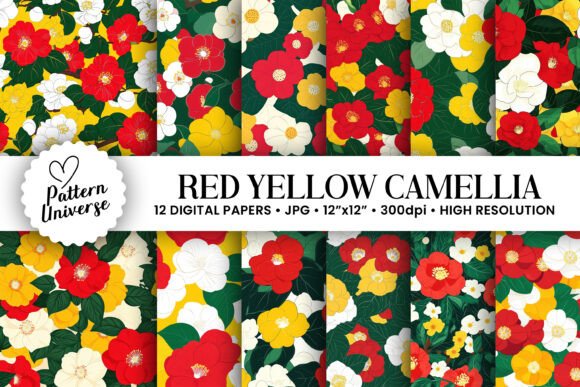
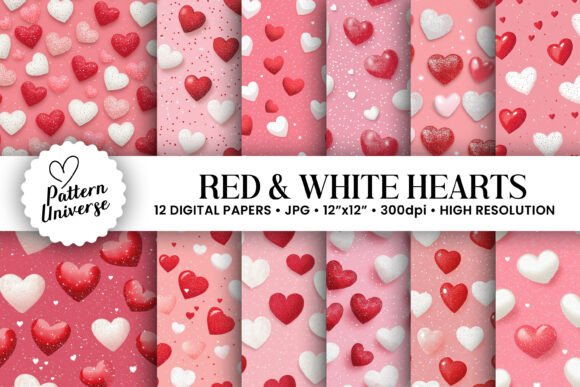
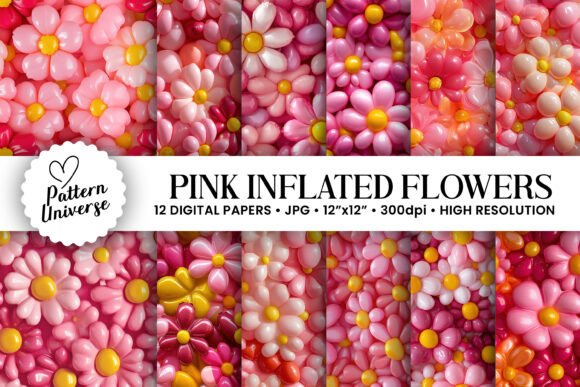
20 Abstract Patterns: A Design Tool for Creativity and Branding
20 Abstract Patterns is a design platform that provides users with a collection of abstract visual elements, often used in digital art, branding, website backgrounds, and graphic design projects. These patterns are typically non-representational, meaning they do not depict recognizable objects but instead use shapes, colors, and forms to create unique and artistic compositions. The tool is popular among designers, marketers, and creative professionals who seek versatile and aesthetically pleasing assets to enhance their work.
Why People Are Interested in 20 Abstract Patterns
Abstract patterns have become a staple in modern design due to their flexibility and ability to evoke emotion without the need for literal representation. Users of 20 Abstract Patterns may be drawn to it for several reasons:
- Creative Inspiration: The abstract nature of these patterns allows for endless customization and adaptation across various mediums.
- Brand Identity Development: Businesses often use abstract visuals to communicate a sense of innovation, uniqueness, or minimalism.
- Design Efficiency: Instead of creating patterns from scratch, users can quickly apply pre-made abstract designs to save time and maintain consistency.
- Visual Appeal: Abstract patterns add depth and interest to websites, presentations, and marketing materials, helping them stand out in a crowded digital space.
Benefits of Using 20 Abstract Patterns
There are several advantages to incorporating 20 Abstract Patterns into your design workflow:
- Customization Options: Most platforms offer tools to adjust colors, shapes, and layouts, allowing you to tailor the pattern to your project's specific needs.
- Time Savings: Ready-to-use abstract designs eliminate the need for lengthy creation processes, especially beneficial for those with tight deadlines.
- Consistency in Style: Whether you're designing a logo, background, or promotional material, using the same abstract motif helps maintain a cohesive brand image.
- Aesthetic Versatility: Abstract patterns can fit a wide range of themes and styles, from futuristic tech aesthetics to serene wellness designs.
- High-Quality Output: The platform ensures that all generated patterns are scalable and suitable for both print and digital use.
Potential Tradeoffs and Considerations
While 20 Abstract Patterns offers many benefits, there are also some considerations to keep in mind before committing to it:
- Learning Curve: If you're new to abstract design, understanding how to effectively use and customize these patterns may require some time and experimentation.
- Uniqueness vs. Availability: Since abstract patterns are widely available, there's a risk of overlap with what other designers might be using, which could affect originality.
- Licensing Restrictions: Depending on the source, certain abstract patterns may come with usage limitations that could impact commercial projects.
- Compatibility: Ensure the files provided by 20 Abstract Patterns are compatible with your design software or publishing platforms.
What to Expect When Using 20 Abstract Patterns
When using 20 Abstract Patterns, expect a balance between ease of use and creative potential. The platform is designed to cater to both beginners and experienced designers. You’ll find intuitive tools for editing color schemes, layering effects, and exporting high-resolution files. However, the quality of the final output will largely depend on how well you understand the principles of abstract design and composition.
Situations Where 20 Abstract Patterns Is a Strong Fit
20 Abstract Patterns works best in the following scenarios:
- Website Backgrounds: Abstract patterns can serve as engaging yet subtle backdrops for websites, especially in industries like technology, fashion, or creative services.
- Branding Projects: For startups or rebranding efforts, abstract visuals help establish a memorable and distinctive identity.
- Digital Marketing Materials: Social media posts, email headers, and ad banners benefit from the eye-catching nature of abstract designs.
- Interior Design Concepts: Abstract patterns are commonly used in mood boards, digital mockups, and visual proposals for architectural or interior design work.
- Artistic Presentations: When presenting data, ideas, or concepts visually, abstract patterns can enhance the overall aesthetic without distracting from the message.
When Alternatives Might Be Better
Although 20 Abstract Patterns is a powerful resource, there are situations where other options might be more appropriate:
- Traditional or Realistic Designs: If your project requires realistic imagery or detailed illustrations, abstract patterns may not be the right choice.
- Complex Layout Requirements: Some abstract patterns may not integrate smoothly into intricate layouts or multi-layered designs without additional tweaking.
- Budget Constraints: While many abstract pattern resources are free, premium versions or customizations may come at a cost that isn't feasible for all users.
- Specific Cultural or Symbolic Needs: In cases where a design must carry deep cultural or symbolic meaning, an abstract approach might fall short unless carefully curated.
Practical Insights for Decision-Making
Before deciding whether 20 Abstract Patterns aligns with your goals, consider the following questions:
- Do I need a design element that is visually striking but doesn’t require literal representation?
- Will the abstract style complement my brand’s identity and target audience’s preferences?
- Can I customize the patterns sufficiently to avoid looking generic or overused?
- Am I working within a timeframe or budget that would benefit from using ready-made design assets?
Answering these questions honestly will help determine if 20 Abstract Patterns is the optimal solution for your current project. Additionally, always test a few different patterns in your actual design context to see how they perform visually and functionally.
How to Evaluate 20 Abstract Patterns Effectively
Evaluating 20 Abstract Patterns should go beyond just viewing sample images. Here are a few practical steps to take:
- Check Licensing: Make sure the terms of use allow for your intended application—especially if it's for commercial purposes.
- Assess Customization Features: Look into whether the platform supports resizing, color changes, and format conversions (e.g., SVG, PNG, JPEG).
- Test Across Devices: Use the patterns in real-world contexts to ensure they look good on mobile, desktop, and print formats.
- Compare with Competitors: Explore similar platforms or tools to see if 20 Abstract Patterns offers better value in terms of variety, usability, and pricing.
- Seek User Reviews: Reading feedback from other designers can provide insight into reliability, performance, and customer support.
Conclusion
20 Abstract Patterns is a valuable asset for anyone involved in visual design, offering a blend of creativity, efficiency, and adaptability. It is particularly well-suited for branding, web design, and marketing applications where abstract visuals can enhance the overall experience. However, its effectiveness depends on your specific needs, the level of customization required, and how well it integrates into your broader design strategy. By evaluating the platform against your goals and considering alternative solutions when necessary, you can make a well-informed decision that supports your creative vision and professional outcomes.