Contemporary Bedding Patterns: A Guide to Choosing and Using Them Effectively
Contemporary bedding patterns have become a staple in modern home décor. These designs bring a fresh, stylish look to bedrooms while offering flexibility for personalization and creative expression. Whether you're redecorating your own space or creating products for resale, understanding how to choose and use contemporary bedding patterns can make all the difference. This article provides practical insights into navigating this design trend effectively.
What Are Contemporary Bedding Patterns?
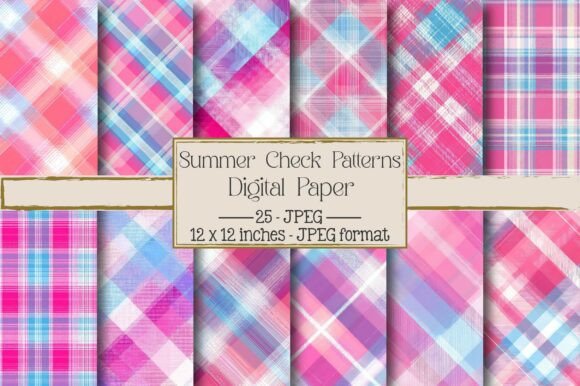
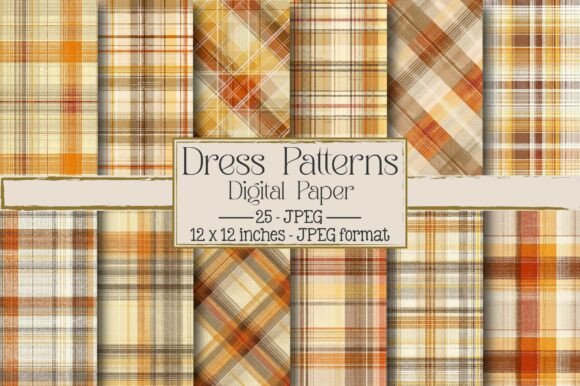
Contemporary bedding patterns refer to modern, minimalist, or abstract designs used on bed linens, duvets, and other bedroom textiles. These patterns often feature clean lines, geometric shapes, muted tones, and sometimes bold accents. They reflect current design sensibilities and are crafted to complement a wide range of interior styles, from urban lofts to cozy suburban homes.
Designers and consumers alike are drawn to these patterns because they offer a sense of sophistication without overwhelming the senses. Their adaptability makes them suitable for both neutral and vibrant color palettes, allowing for easy integration into existing décor schemes.
Common Mistakes When Choosing Contemporary Bedding Patterns
One of the most frequent errors people make is overlooking the importance of scale and proportion. For example, using an oversized pattern on a small twin bed can create visual clutter rather than a cohesive look. It's crucial to match the size of the pattern to the dimensions of the room and furniture to maintain balance.
Another common mistake is ignoring the overall theme of the bedroom. If your space features a lot of metallic accents or glass surfaces, a highly textured or busy pattern may clash instead of harmonizing. Always consider the mood you want to create—calm, vibrant, luxurious—and ensure the pattern supports that vision.
Many also underestimate the role of color coordination. While contemporary patterns often include neutral base colors, the accent hues should still align with the rest of your décor. Mismatched tones can lead to a disjointed appearance, even if the pattern itself is elegant.
How to Avoid Design Pitfalls
- Test the scale before committing: Use digital mockups or sample swatches to see how the pattern looks in situ. This helps avoid overcomplicating the space.
- Stick to a consistent color palette: Choose patterns that complement each other and the existing elements in the room. Tools like Adobe Color can help you find matching shades.
- Balance is key: If you're using a bold contemporary pattern, pair it with simpler textures and solid-colored accessories to keep the design grounded.
Real-World Example
Imagine a client who wants to revamp their guest bedroom using contemporary bedding patterns. They select a large-scale geometric print but fail to consider the room’s compact size. The result is a cramped, visually heavy space. By opting for a smaller, more subtle pattern instead, they could achieve a modern yet welcoming atmosphere.
Misunderstandings About Usage and Application
A big misconception is that contemporary bedding patterns are only suitable for high-end luxury settings. In reality, these designs work well in many environments, including apartment living, boutique hotels, and even children's rooms when scaled appropriately. Flexibility is one of their greatest strengths.
Some people also assume that once they've chosen a pattern, they don’t need to think about its orientation or placement. However, flipping a pattern upside down or misaligning it can break the illusion of intentional design. Always ensure that the pattern is placed consistently across all bedding items for a polished look.
Practical Advice for Creators and Entrepreneurs
If you're a creator or entrepreneur looking to incorporate contemporary bedding patterns into your product line, here are some tips to enhance usability and appeal:
- Use high-resolution files: Ensure your PNGs are at least 300 dpi and sized correctly (e.g., 12×12 inches). This allows for crisp printing and scalability without losing quality.
- Offer transparent backgrounds: This gives users the freedom to place the pattern anywhere—on T-shirts, wall art, or cards—without worrying about unwanted borders or outlines.
- Provide clear usage guidelines: Make sure customers understand what the digital download includes. Specify that no physical item will be sent and note that colors may vary depending on device and printer settings.
By following these best practices, you not only improve customer satisfaction but also reduce returns and support questions. Clarity and quality go hand-in-hand when selling digital design assets.
Overlooked Details in Pattern Evaluation
When evaluating contemporary bedding patterns, many overlook the importance of repetition and alignment. Seamless tiling is essential for printed textiles, especially for custom projects like frame artwork or wall decor. A poorly aligned pattern can appear broken or unprofessional when printed.
Additionally, the transparency level in PNG files is often ignored. If the file isn't properly masked or has halftones along the edges, it can affect the final output. Always test the transparency by overlaying it on different background colors before using it in production.
Better Approach for Custom Projects
Suppose you're designing a set of greeting cards using a contemporary bedding pattern. You might notice that the pattern doesn’t tile seamlessly when printed side-by-side. To fix this, open the PNG file in a graphics editor like Photoshop and adjust the edges so the design flows continuously. This ensures a professional finish and builds trust with your customers.
Choosing the Right Software for Resizing and Editing
With digital downloads, it's important to know which software works best for resizing and editing. Programs like Canva, GIMP, or Adobe Illustrator allow you to easily manipulate the design while maintaining clarity and resolution. Beginners may benefit from user-friendly tools like Canva, while professionals might prefer advanced options like Illustrator for precise control.
Always double-check the resized image before printing. Zoom in to verify that the edges remain sharp and that the pattern doesn't stretch unnaturally. Small adjustments now can prevent costly mistakes later.
Why Quality Matters in Resolution and File Type
Using low-quality images can severely impact the final product. A 300 dpi resolution is standard for print, ensuring that the pattern remains clear and detailed. Anything lower risks pixelation, especially when scaling up for larger prints like wall murals or canvas art.
The transparent background is another factor that shouldn’t be overlooked. It allows the pattern to blend naturally with any surface or fabric, making it ideal for layered designs or overlays. Without transparency, the pattern might look flat or out of place when applied creatively.
Example of Poor vs. Good Usage
Consider a hobbyist trying to print a contemporary bedding pattern onto a mug. They download a low-resolution image and attempt to resize it manually. The result is a blurry, distorted print. Had they used a 300 dpi PNG with a transparent background, the outcome would have been much sharper and more appealing.
Before You Buy or Download
Before purchasing or downloading contemporary bedding patterns, ask yourself a few key questions:
- Do I have the right software to edit and apply the design?
- Will the pattern fit the intended product or space in terms of scale and style?
- Are there any licensing restrictions that might limit my use of the design?
- Is the file format compatible with my printing method?
These considerations help you make informed choices and avoid unnecessary expenses or wasted time. Remember, the goal is to create something that looks great and functions well in its intended application.
Conclusion: Making Smart Choices with Contemporary Bedding Patterns
Contemporary bedding patterns are versatile and stylish, but their success depends on thoughtful selection and proper application. By avoiding common pitfalls such as poor scaling, mismatched color schemes, and unclear file specifications, you can ensure your designs perform well whether you're using them for personal projects or commercial purposes.
As you explore new ways to integrate these patterns into your creations, take the time to evaluate their compatibility with your workflow and end goals. With the right approach, contemporary bedding patterns can elevate your work and provide lasting value.
Thank you for visiting and taking the time to learn more about Contemporary Bedding Patterns. Your attention to detail is what sets your work apart.