Glowing Holographic Seamless Patterns: A Modern Design Asset
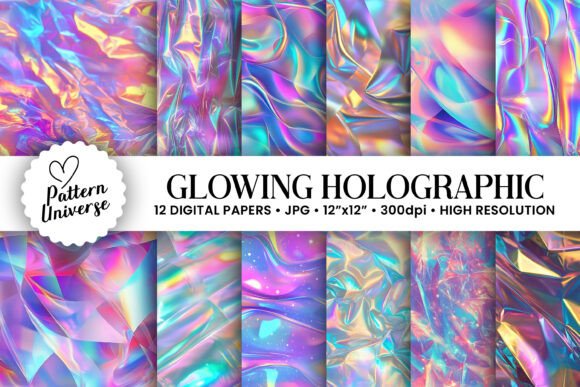
In the ever-evolving world of graphic design, staying ahead with unique and visually striking assets is essential. One such innovation making waves in creative circles is Glowing Holographic Seamless Patterns—digital textures that combine iridescent sheen, futuristic appeal, and seamless tiling for versatile use across a range of projects. These patterns offer an eye-catching blend of light and color, allowing designers to elevate their work with a touch of modern elegance and sci-fi flair.
Why Holographic Patterns Matter in Visual Design
The demand for dynamic, high-impact visuals continues to rise, especially in branding and digital content creation. Holographic effects add depth and dimension, helping break the monotony of flat designs while maintaining a clean and professional aesthetic. When used thoughtfully, they can enhance visual hierarchy, guide attention, and create a sense of movement or energy on the page.
Glowing Holographic Seamless Patterns are particularly valuable because they eliminate the need for manual repetition or pattern adjustments. Their seamless nature ensures that they tile perfectly without visible seams, making them ideal for backgrounds, overlays, and even as part of intricate design compositions.
Practical Uses Across Creative Projects
- Gift Wrapping: Add a luxurious, otherworldly feel to packaging with subtle holographic accents or bold full-background treatments.
- Greeting Cards & Invitations: These patterns can transform standard paper goods into standout keepsakes, especially for events like birthdays, weddings, or product launches.
- Tumbler Wraps: The reflective qualities of holographic designs catch light beautifully on curved surfaces, offering a vibrant and premium look.
- Junk Journal Backgrounds: Perfect for mixed-media artists who want to infuse their journals with a contemporary, shimmering texture.
- Wall Art & Scrapbook Elements: Create dimension and intrigue in printed art by incorporating these patterns as base layers or decorative elements.
Design Considerations When Using Holographic Assets
While Glowing Holographic Seamless Patterns are visually compelling, they must be balanced with readability and usability. Overusing these elements can distract from key messages or brand logos. Instead, integrate them strategically to highlight important sections or add subtle texture to neutral spaces.
When evaluating these assets for your project, consider the following factors:
- Consistency: Ensure the patterns align with your brand’s overall style and color palette.
- Scalability: Choose high-resolution files (like those at 300dpi and 3600 x 3600 pixels) to maintain quality at any size.
- Audience Appeal: Use them in ways that resonate with your target demographic—whether it's edgy tech brands or whimsical lifestyle products.
- Compatibility: Confirm that the file format works well within your design software and print workflows.
Color selection is also crucial. Holographic effects often feature gradients of purples, blues, greens, and pinks. To keep your design from becoming too busy, pair them with minimalist layouts or solid-colored text boxes to ensure legibility and focus.
Enhancing Brand Identity Through Texture
Incorporating these patterns into marketing materials or web design can help establish a distinct brand identity. They’re especially effective for startups or businesses targeting younger audiences looking for innovative and memorable visuals. Whether you're designing a landing page or promotional poster, the right texture can make all the difference in how users perceive your brand.
For instance, using a holographic overlay behind a logo can give it a modern edge, while a holographic background on a greeting card adds a tactile-like experience through visual cues alone. These details contribute to a stronger emotional connection between the viewer and the brand.
Streamlining Your Design Workflow
Having access to 12 pre-made Glowing Holographic Seamless Patterns in one zip file simplifies the design process significantly. It allows for quick experimentation and iteration without the need to generate custom textures from scratch. This efficiency is invaluable when working under tight deadlines or managing multiple creative projects simultaneously.
Moreover, these patterns can serve as starting points for more complex designs. You might layer them beneath typography or combine them with geometric shapes to build custom UI components or editorial spreads. The possibilities are endless when you have a diverse set of high-quality, ready-to-use design assets at your disposal.
Always remember to test each pattern in different contexts. What looks great on a social media post may not translate well to a business card. Evaluate how each asset interacts with your existing design system and adjust accordingly to preserve clarity and professionalism.
Thoughtful design choices are what set apart average visuals from exceptional ones. With the right creative assets, you can craft experiences that are not only beautiful but also purposeful and engaging.