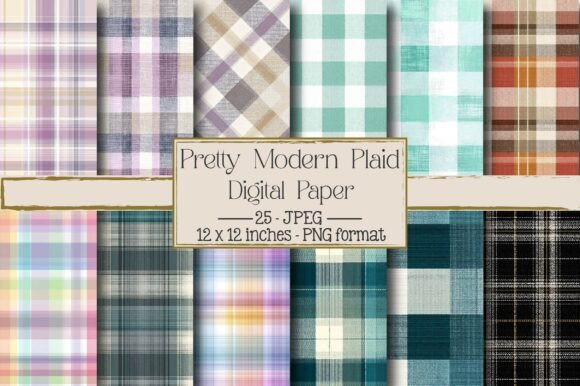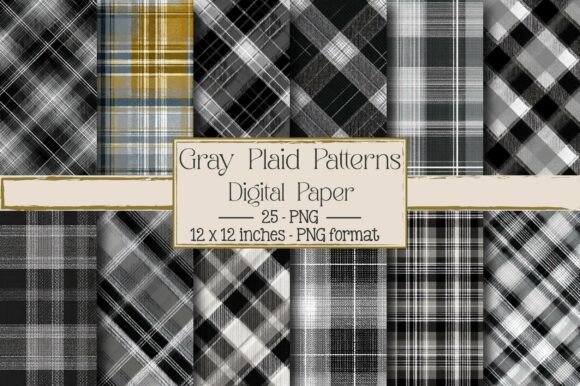
Pink, Gray, and Green Plaid Patterns: A Creative Resource for Designers and DIY Enthusiasts
Plaid patterns have long been a staple in the design world, offering a timeless blend of style and versatility. With their origins in Scottish tartans and military uniforms, plaids are now widely used across fashion, home decor, branding, and digital art. The combination of pink, gray, and green plaid is particularly intriguing, as it brings together warm, cool, and neutral tones that can appeal to a broad audience. In this article, we’ll explore the charm of these color combinations, how they can be applied practically, and why having access to high-quality PNG files with a transparent background can make all the difference in your creative projects.
The Appeal of Pink, Gray, and Green Plaid Patterns
Color theory plays a significant role in visual design, and the use of pink, gray, and green in plaid patterns is no exception. Each color contributes something unique:
- Pink adds warmth and softness, often associated with femininity, creativity, and playfulness.
- Gray serves as a neutral base, balancing the boldness of other colors while adding sophistication and depth.
- Green introduces nature-inspired freshness, symbolizing growth, harmony, and renewal.
Together, these hues create a visually appealing contrast that’s both modern and nostalgic. Whether you’re designing for a seasonal theme or aiming for year-round appeal, pink-gray-green plaid offers a flexible foundation that adapts well to various styles and aesthetics.
Why These Colors Work Well Together
Combining pink, gray, and green might seem like an unusual choice at first glance, but when executed properly, the result is striking. The pink and green provide complementary contrasts, while gray ties them together without overwhelming either tone. This makes the pattern versatile enough to suit both casual and professional settings. For example, a subtle pink-gray-green plaid could work beautifully in a corporate logo with a fresh twist, whereas a bolder version might be perfect for a children's clothing line or a nature-themed event.
What You Get: 25 Designs in High Resolution
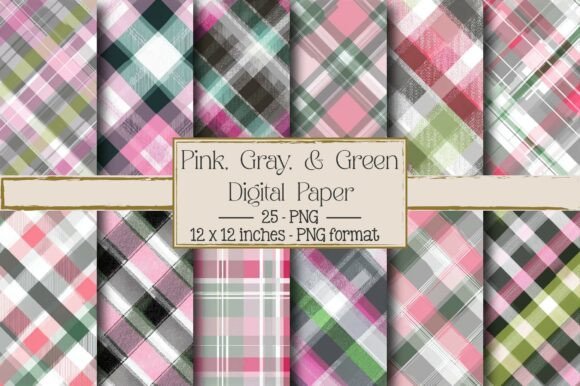
If you're looking to bring these plaid patterns into your own creative work, the availability of 25 different designs in PNG format can open up a world of possibilities. These files are designed with several key features in mind to ensure usability and quality:
- Resolution: 300 dpi, which is ideal for printing on physical products like T-shirts, cards, and stickers.
- Dimensions: 12x12 inches, making them suitable for square-based applications such as social media graphics or frame artwork.
- Transparent background, allowing seamless integration into any design project without unwanted borders or colors.
Additionally, the distressed effect applied to these designs gives them a vintage, handcrafted feel. This aesthetic is highly popular in today's design trends, especially among those who appreciate retro looks or want to add character to otherwise clean layouts.
Easy to Resize and Customize
One of the standout benefits of receiving these PNG files is their flexibility. Because they’re high-resolution and transparent, you can easily resize them using graphic software like Adobe Photoshop, Illustrator, Canva, or even free tools like GIMP or Figma. This adaptability means you can scale the designs up for large-format prints or down for smaller items like business cards or embroidery templates. Plus, the transparent background ensures that your final product remains crisp and professional-looking, regardless of the application.
Practical Applications of Pink, Gray, and Green Plaid Patterns
These plaid patterns aren’t just decorative—they serve real-world purposes across multiple industries. Here are some common uses where pink-gray-green plaid can shine:
Fashion and Apparel
In the fashion industry, plaid patterns are frequently used in clothing, accessories, and branding. A pink-gray-green plaid could be printed on T-shirts for a boutique brand targeting young adults or teens. It can also be used in scarves, hats, and even denim jackets to add a pop of personality. The distressed look enhances the pattern’s authenticity, making it ideal for vintage-inspired collections or indie-style brands.
Home Decor and Wall Art
Wall decor is another area where plaid patterns thrive. Whether you're creating posters, canvas prints, or even wrapping paper, the combination of pink, gray, and green can add a cozy yet modern touch to any space. The transparent background of the PNG files allows for easy layering with other elements, such as photographs, text, or additional textures, giving your wall art a more dynamic appearance.
Stationery and Cards
For stationery lovers, plaid patterns offer endless opportunities. Use these designs for greeting cards, thank-you notes, or packaging labels. The distressed effect adds a tactile quality that mimics handmade crafts, which is especially appealing in today’s market where consumers value personalization and artisanal touches. These PNGs can also be used for scrapbook pages, planners, or calendars—perfect for organizing while maintaining a stylish edge.
Business and Branding
Branding often relies on strong visual identity, and plaid patterns can help establish that. Consider using these designs in logos, website backgrounds, or promotional materials. Their ability to evoke both nostalgia and contemporary style makes them a great fit for businesses that want to stand out without being overly flashy. The transparency of the files ensures that your brand colors remain consistent, and the solid color variations allow for customization based on your specific needs.
How These Files Fit Into Modern Creativity
In today’s fast-paced digital world, creators need assets that are not only high-quality but also easy to manipulate and integrate. These 25 plaid pattern PNG files meet those criteria perfectly. They’re ready to use immediately after purchase, eliminating the need to wait for physical goods. This instant digital download model aligns with modern workflows where speed and efficiency are crucial.
Moreover, the ability to print these designs on a wide range of physical products highlights their relevance in both online and offline markets. For small business owners, hobbyists, or independent artists, having access to such resources can significantly reduce production time and costs. You can quickly experiment with different applications and finalize your best ideas without investing in custom-printed samples first.
Using These Files in Digital Projects
Beyond physical printing, these plaid patterns can also enhance digital content. For instance:
- They can be used as backgrounds for websites or mobile app interfaces.
- They can serve as overlays in photo editing to give images a textured, artistic finish.
- They can be incorporated into social media posts or email templates to maintain brand consistency.
With a transparent background, you won’t face issues with unwanted colors or shapes interfering with your layout. The distressed effect further adds depth, helping your designs stand out in a sea of flat, digital content.
Clarifying Common Misconceptions
Before diving into using these plaid patterns, it’s important to address some common misunderstandings:
- “Plaid is outdated.” While plaid has had many phases in fashion and design history, it remains relevant today. Its resurgence in recent years shows how adaptable and enduring the pattern can be when used creatively.
- “All plaid patterns are the same.” Nothing could be further from the truth. Plaids vary in width, color combinations, and texture. The pink-gray-green designs available here represent just one variation of a much broader category.
- “Digital downloads don’t deliver real value.” On the contrary, digital assets like these PNG files are incredibly valuable because they’re reusable, customizable, and instantly accessible. They eliminate logistical challenges and empower designers to iterate quickly and efficiently.
- Balance is key: Don’t let the plaid overwhelm your design. Use it as an accent or background element depending on your layout goals.
- Experiment with scale: Try resizing the patterns to see how they interact with other design elements. Sometimes a larger plaid can create a dramatic effect, while a smaller one adds subtle texture.
- Layer wisely: Since these files come with a transparent background, you can overlay them on photos, gradients, or other patterns to build complex visuals without cluttering the design.
- Consider color context: Test how the pink, gray, and green plaid appears on different surfaces and under varying lighting conditions. What looks good on a screen may change slightly when printed.
- Adobe Photoshop – Great for resizing, adjusting colors, and applying effects.
- Canva – User-friendly for beginners and useful for quick edits and designs.
- Illustrator – Ideal for vector-based adjustments and integrating the plaid into scalable graphics.
- GIMP – A free alternative for detailed image manipulation.
Understanding these nuances helps you leverage the full potential of these plaid patterns and avoid assumptions that might limit your creativity.
Design Tips for Working with Plaid Patterns
Whether you're a seasoned designer or just starting out, working with plaid patterns can be both fun and challenging. Here are a few tips to help you make the most of these 25 designs:
By following these guidelines, you can ensure that your final product looks polished and professional across all platforms.
Tools and Software Recommendations
To get started with these plaid patterns, consider using the following software:
Each tool has its strengths, so choose one that fits your workflow and experience level. Most importantly, take advantage of the transparency feature to seamlessly incorporate the plaid into your projects.
Final Thoughts: Why Choose These Plaid Patterns?
Choosing the right design elements can set your project apart, and these 25 pink-gray-green plaid pattern PNG files offer a powerful way to do that. Their high resolution, distressed effect, and transparent background make them suitable for a wide range of applications—from apparel to digital marketing. By understanding the purpose and potential of each design, you can confidently apply them to your next creative endeavor.
Remember, these are digital files meant for immediate use. No physical item will be shipped to you, but what you receive is a valuable asset that can be reused and repurposed across various mediums. Additionally, due to differences in device displays and printer outputs, the actual colors may appear slightly different than shown on-screen. Always test a sample before mass-producing anything.
So whether you're a graphic designer, a small business owner, or simply someone who loves crafting, these plaid patterns are a must-have addition to your design toolkit. Explore the possibilities, embrace the distressed charm, and let your creativity flourish with every new project.