Masculine Brown Tan Plaid Patterns: A Practical Guide for Designers and Creators
When it comes to visual design, texture and pattern play a crucial role in setting the tone and enhancing the aesthetic appeal of any project. One such versatile design element is the Masculine Brown Tan Plaid Pattern. This timeless motif blends rustic charm with modern usability, making it ideal for a wide range of creative applications. Whether you're designing for print or digital use, these patterns can elevate your work with minimal effort.
Understanding Masculine Brown Tan Plaid Patterns
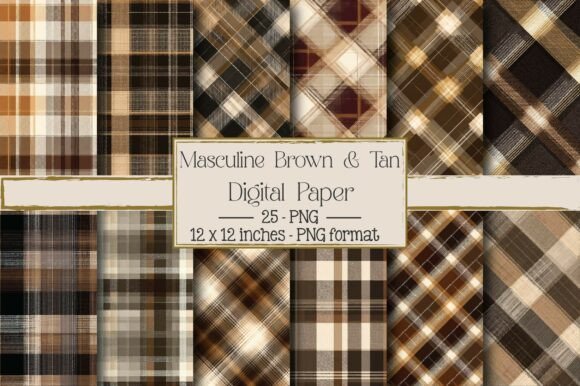
The Masculine Brown Tan Plaid Pattern is characterized by its muted earthy tones—browns and tans—arranged in a classic plaid layout. Unlike bold or neon designs, this style offers subtlety and sophistication, which makes it particularly appealing for projects targeting professional or mature audiences. Its distressed effect adds depth and character, giving the appearance of aged craftsmanship or rugged authenticity.
This type of pattern is not limited to fashion or home décor; it has found a strong place in graphic design, branding, product packaging, and even personal creative projects like scrapbooking and wall art. The beauty of plaid lies in its adaptability—it works as both a background and a foreground element depending on how it's applied.
Use Cases and Integration into Creative Workflows
Integrating Masculine Brown Tan Plaid Patterns into your workflow begins with identifying where they add value. These patterns are especially effective when used in the following scenarios:
- Branding Projects: For businesses that want to convey a sense of tradition, reliability, or organic growth, using a brown tan plaid can reinforce brand identity without overpowering other design elements.
- Product Packaging: When designing boxes, tags, or labels for outdoor gear, artisanal products, or coffee brands, the plaid pattern can evoke warmth and authenticity.
- Print-on-Demand Merchandise: T-shirts, stickers, and cards featuring these patterns are popular among niche markets, including outdoorsmen, vintage enthusiasts, and lifestyle brands.
- Digital Artwork and Print Media: From social media templates to posters and frame artwork, the plaid’s structured yet soft appearance allows for flexibility across formats.
Before a Project: Planning and Preparation
Before diving into design, consider the purpose of your project and the audience it will reach. If your goal is to create something that feels grounded and approachable, then a Masculine Brown Tan Plaid Pattern could be an excellent choice. Start by downloading the high-resolution PNG files (300 dpi, 12×12 inches) provided in the package. Since these are digital instant downloads, ensure you have a clear plan for how you'll use them before saving them locally or importing into your design software.
Organize your assets properly. Create folders for each type of project you intend to work on—such as apparel, stickers, or stationery—and categorize the plaid designs based on their intended application. This helps maintain efficiency during the execution phase and ensures consistency across different outputs.
During the Design Process: Implementation Tips
Once you’ve selected the right plaid design, it’s time to integrate it into your project. Here are some practical tips to help you make the most of these textures:
- Layer Smartly: Use the transparent background to layer the plaid over images, text, or other graphics. Adjust opacity if needed to blend seamlessly with other elements.
- Resizing with Precision: Thanks to the 300 dpi resolution, these files are easy to resize without losing quality. However, always check the output size requirements of your printing platform to avoid scaling issues.
- Color Matching: While the colors are consistent within the file, remember that device and printer variations can alter the final look. Test prints are recommended for physical products to ensure the plaid maintains its intended appearance.
- Combine with Minimalist Elements: To prevent overwhelming the viewer, pair the plaid with clean typography and simple color schemes. This keeps the focus on the message while still benefiting from the texture.
For example, when creating a set of business cards for a local distillery, you might apply the plaid as a subtle background behind the logo and contact information. This gives the cards a tactile, handcrafted feel that aligns with the brand’s image.
After the Design Phase: Printing and Quality Control
After your design is complete, the next step involves preparing it for printing. Since the plaid patterns are designed for use on physical products, compatibility with various printing methods is essential. Whether you’re using screen printing, heat transfer, or digital inkjet printers, ensure the design format adheres to the technical specifications of your chosen service.
It’s also important to conduct a final review of the design. Check for alignment, contrast, and clarity. Because the plaid includes a distressed effect, avoid placing critical text directly over areas where the texture may obscure readability. Instead, use solid blocks or frames to anchor important information.
Workflow Examples
Let’s take a real-world example: a small business owner launching a new line of handmade leather wallets wants branded stickers to attach to each product. They download a set of Masculine Brown Tan Plaid Patterns, choose one with a suitable distressed look, and open it in Adobe Photoshop. Using layers, they overlay a minimalist logo and a short tagline. After adjusting the size to fit standard sticker dimensions, they export the file at 300 dpi and send it to a vinyl sticker printing service.
In another case, a blogger designing a monthly newsletter template uses the plaid as a header background. They import the PNG into Canva, lock the pattern layer, and build the rest of the newsletter around it. The result is a cohesive, visually engaging layout that stands out without being garish.
Long-Term Use and Organization
One of the advantages of using Masculine Brown Tan Plaid Patterns is their reusability. Once you've downloaded the 25 PNG files, you can store them in a centralized asset library for quick access in future projects. Many designers use tools like Adobe Bridge or Google Drive to organize and label their textures and backgrounds efficiently.
Consider developing a naming convention for the files based on their use cases. For instance:
- BrownTanPlaid_LogoOverlay.png
- BrownTanPlaid_TshirtDesign_v1.png
- BrownTanPlaid_Background_Scrapbook.png
This method streamlines the search process and prevents duplication or confusion later on.
Compatibility with Software and Tools
These plaid patterns are compatible with most graphic design and editing software, including but not limited to:
- Adobe Photoshop and Illustrator
- Canva Pro
- COREL Painter or Draw
- Figma
- GIMP (free alternative)
Because they come in PNG format with a transparent background, they integrate smoothly into layered projects. In vector-based programs like Illustrator, you can place the PNG as a clipping mask or background texture. In raster editors like Photoshop, blending modes can further enhance the plaid’s natural feel.
Some creators even combine these patterns with overlays or filters to simulate weathered wood, aged paper, or linen textures. This technique is useful when aiming for a more vintage or artisanal look in digital illustrations or printed materials.
Efficiency and Consistency in Branding
Consistency is key in branding, and using a single plaid pattern across multiple touchpoints can unify your visual language. For instance, a men’s grooming company might incorporate the same brown tan plaid into product labels, social media banners, and website headers. This creates a cohesive identity that customers can easily recognize and associate with the brand.
To maintain efficiency, establish a style guide that includes the plaid pattern along with preferred fonts, colors, and spacing rules. This ensures every new design follows the same standards and avoids unnecessary back-and-forth revisions.
Best Practices for Repeated Use
If you plan to reuse the same pattern across several projects, follow these best practices:
- Save Multiple Versions: Keep copies of the original file and any modified versions (e.g., with added logos or text) so you can reference them later.
- Use Non-Destructive Editing: In Photoshop, apply adjustments via adjustment layers rather than altering the plaid itself. This preserves the original for future use.
- Test Across Formats: Before committing to a large print run, test the plaid on a few sample items to see how it looks in different lighting and materials.
Why Choose Transparent Background Designs?
Transparent background PNGs offer greater flexibility. You can place the plaid pattern over any base color or image without worrying about unwanted borders or shadows. This is especially valuable when designing for online stores, where the same pattern might need to appear on white, black, or textured product displays.
Additionally, transparency allows for easier integration into complex layouts. If you're working on a T-shirt design, for example, you can position the plaid exactly where it fits best without being constrained by a fixed background.
Real-World Applications
Here are a few more examples of how these plaid patterns can be implemented effectively:
- Wall Decor: Use the plaid as a background for canvas prints or framed photos, adding a masculine, rustic vibe to interior spaces.
- Scrapbooks and Invitations: Incorporate the pattern into event invitations or photo albums to give them a unique, personalized touch.
- Stationery Sets: Apply the plaid to notecards, calendars, or journal covers for a refined and stylish look.
Each use case requires careful planning to ensure the pattern supports the overall design rather than competing with it. By understanding the context and purpose of your project, you can tailor the plaid’s placement and intensity accordingly.
Final Thoughts on Workflow Integration
While Masculine Brown Tan Plaid Patterns are inherently versatile, their effectiveness depends on how thoughtfully they’re integrated into your design process. By considering the needs of your audience, the capabilities of your tools, and the long-term goals of your project, you can use these patterns to enhance your work without overcomplicating it.
Remember that these are digital assets meant for immediate use. No shipping is required—just download, implement, and refine. With the right preparation and attention to detail, you’ll find that these 25 plaid designs become a valuable addition to your creative toolkit.
Whether you're a marketer, educator, entrepreneur, or hobbyist, the Masculine Brown Tan Plaid Pattern provides a reliable and stylish way to bring texture and meaning to your visuals. Use it to ground your designs, evoke emotion, or simply add a touch of timeless class.